Inquiries / Change reservation
Yae's Blog
Strolling Through Senso-ji in Yae Kimono: Experience the Charm of Worship at Japan’s Oldest Temple
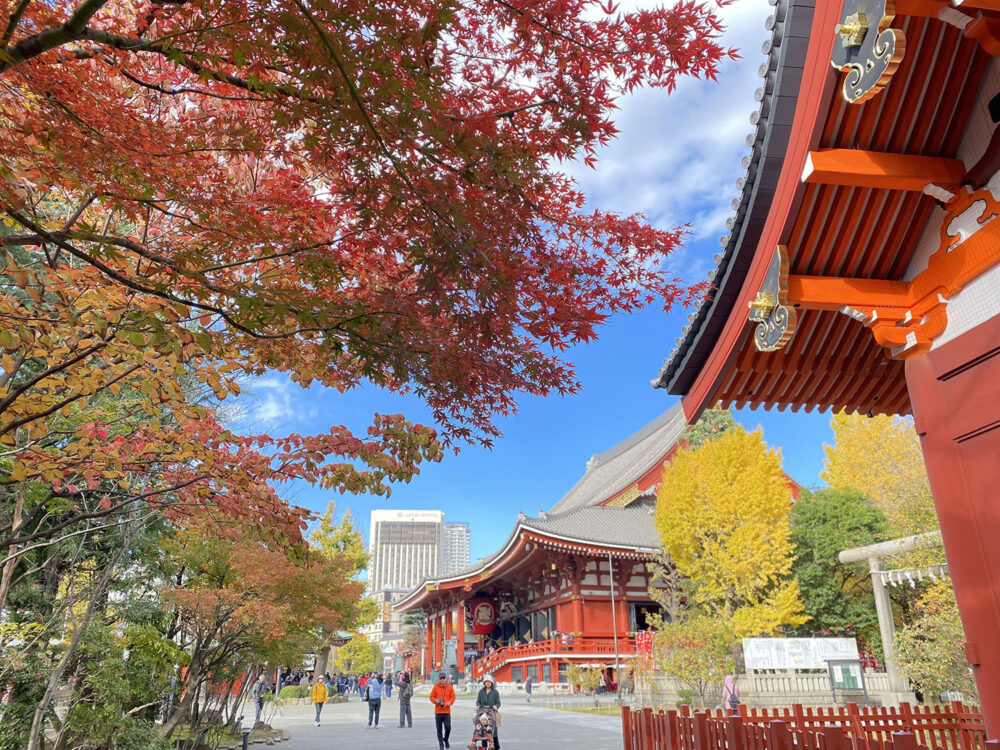
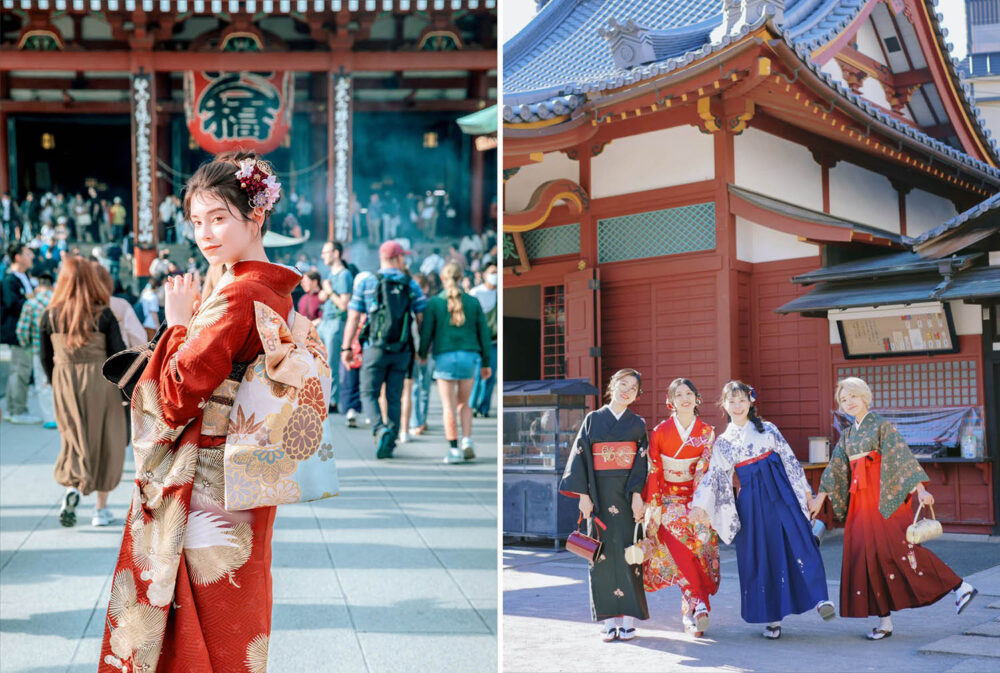
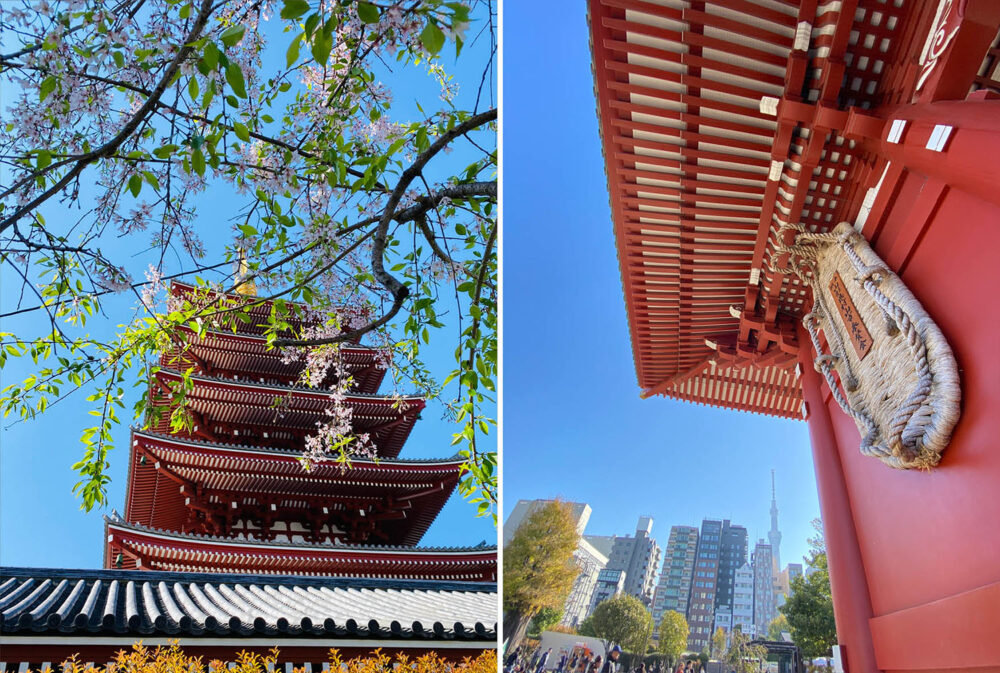
Senso-ji in Tokyo’s Asakusa district is one of Japan’s oldest and most iconic temples. After entering the temple grounds, visitors typically stroll through the lively Nakamise shopping street, then pass beneath the vivid vermilion Kaminarimon and Hozomon gates before approaching the solemn main hall. Wearing a Yae kimono during this journey allows you to immerse yourself even more deeply in the nostalgic streetscape and rich traditional atmosphere.
Before reaching the main hall of Senso-ji, the typical steps for the temple visit are as follows:
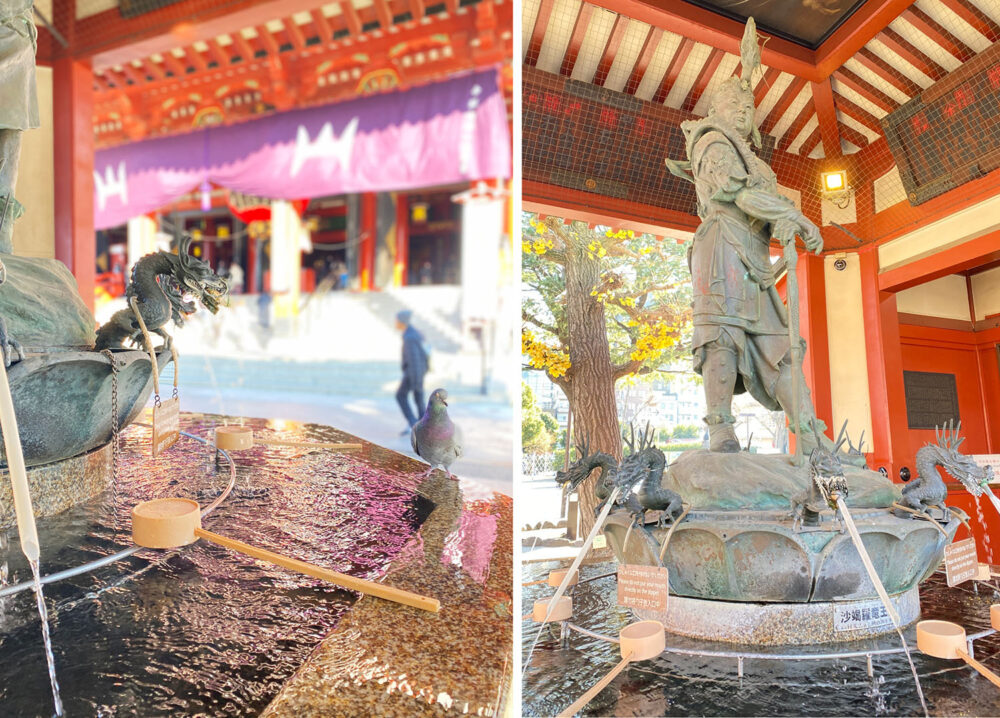
1. Purification (Temizuya)
Use the ladle to scoop water and rinse your left hand first, then your right hand. Next, pour a little water into your left palm and gently touch your mouth (be careful not to touch your lips to the ladle). Finally, lift the ladle up to pour water down the handle to rinse it before placing it back.
This ritual symbolizes purifying the body and mind before entering the temple with respect.
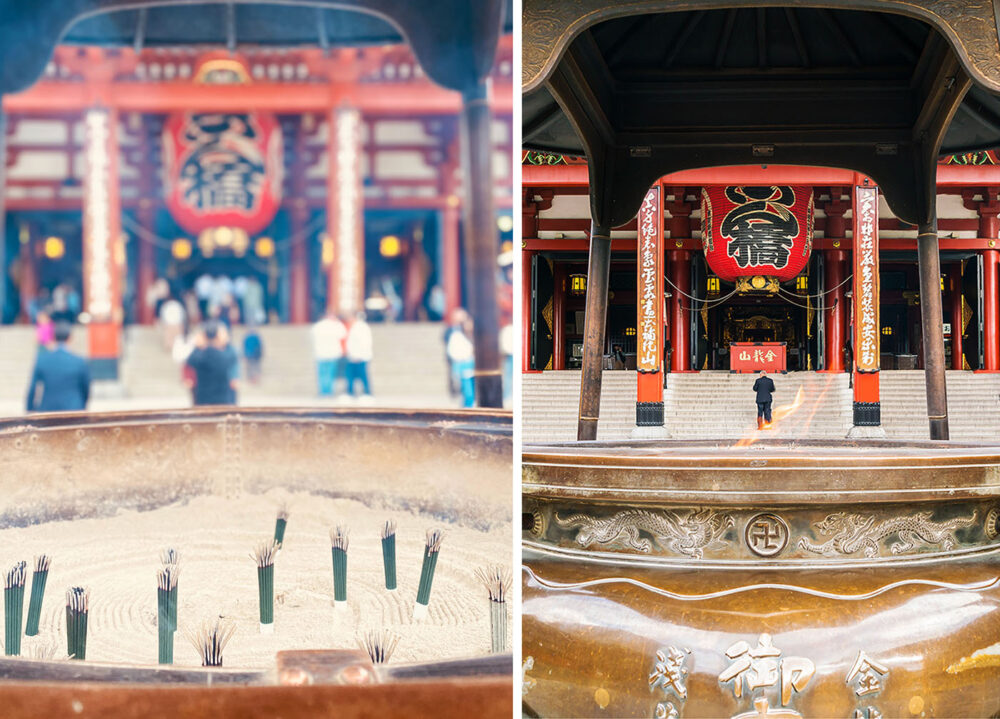
2. Incense Offering (O-kōro / Incense Burner)
In front of the main hall stands a large incense burner with smoke billowing gently into the air. Many visitors purchase incense sticks, place them into the burner, and waft the smoke toward their heads, shoulders, or areas of discomfort to symbolize prayers for health and blessings.
Taking photos wearing a Yae kimono amid the drifting incense smoke adds a uniquely atmospheric and traditional Japanese touch to your experience.
3. Main Hall Worship
Begin by offering coins into the donation box (5 yen is common, as it symbolizes “good fortune and connection”). Gently ring the bell to announce your presence to the deities. Then, place your hands together and pray silently—unlike at Shinto shrines, clapping is not performed at Buddhist temples.
Finally, take a deep bow to complete the worship ritual.
4. Omikuji (Fortune Slips)
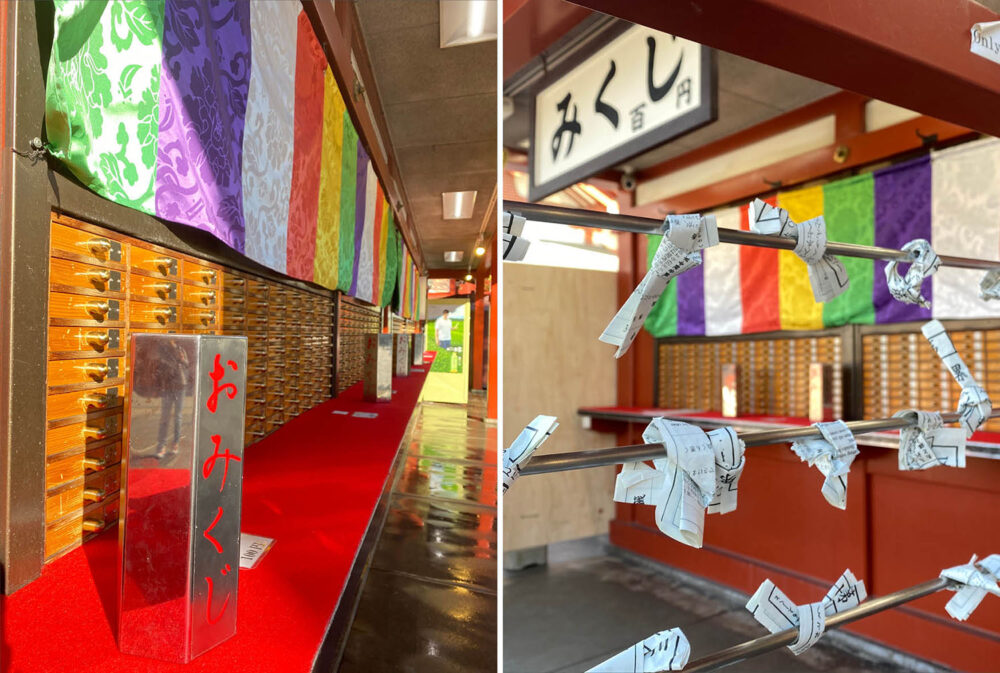
Senso-ji is famously known for having a relatively high number of “bad fortunes,” which makes the experience even more exciting. After inserting a 100-yen coin, shake the hexagonal metal box until a wooden stick falls out. Match the number on the stick to the corresponding drawer and take your fortune slip.
If you receive a bad fortune, fold the slip and tie it onto the metal racks within the temple grounds to leave the misfortune behind. If you receive a good fortune, you can take it home as a charm for protection and blessings.
This brief experience of worship and fortune-telling not only allows you to admire the historic temple architecture, but also to feel the charm of Japan’s traditional spiritual culture. As the seasons change—cherry blossoms in spring, lush greenery in summer, vibrant autumn leaves, and winter snow—Senso-ji takes on a different beauty throughout the year. Strolling through the temple grounds in a Yae kimono adds a sense of ritual and a touch of refined Japanese ambiance to your journey.