Inquiries / Change reservation
Yae's Blog
Discover the Art of Edo in Asakusa: A Visit to the Edo Taito Traditional Crafts Center
When people think of Asakusa, Tokyo, the first things that come to mind are usually the famous Kaminarimon Gate, the bustling Nakamise Shopping Street, and the historic Sensoji Temple. These are some of Asakusa’s most iconic attractions, but beyond the lively streets, there are many hidden cultural treasures waiting to be discovered.
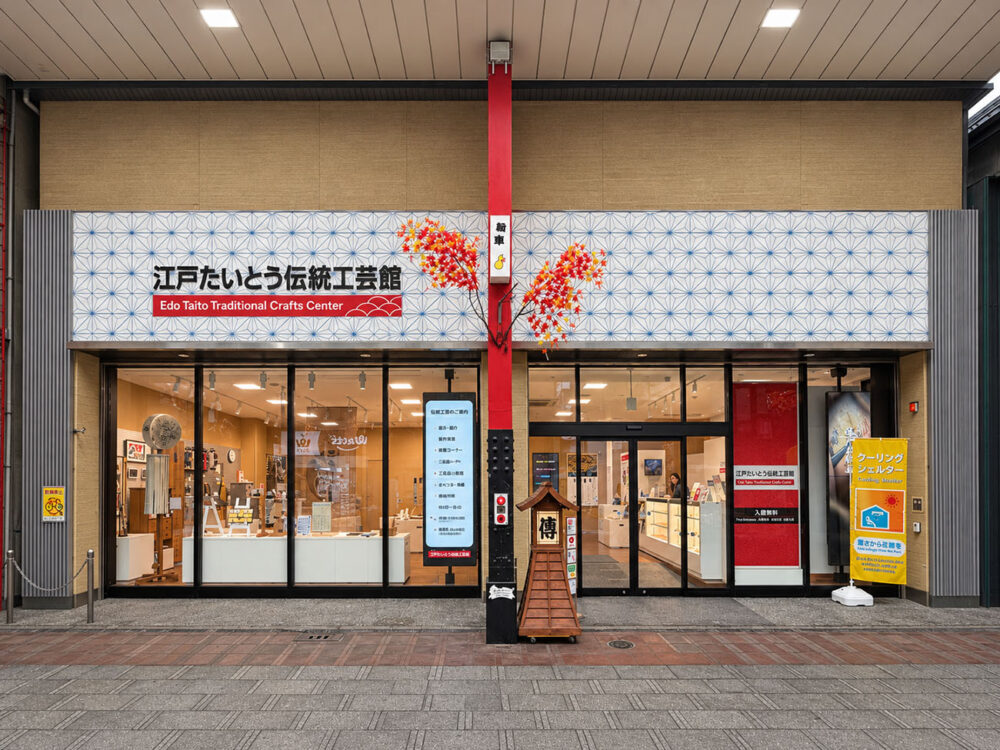
Just a few minutes’ walk west of Sensoji Temple, near the nostalgic Hanayashiki Amusement Park, you’ll find a small but fascinating museum along Hisago-dori Shopping Street: the Edo Taito Traditional Crafts Center (江戸たいとう伝統工芸館).
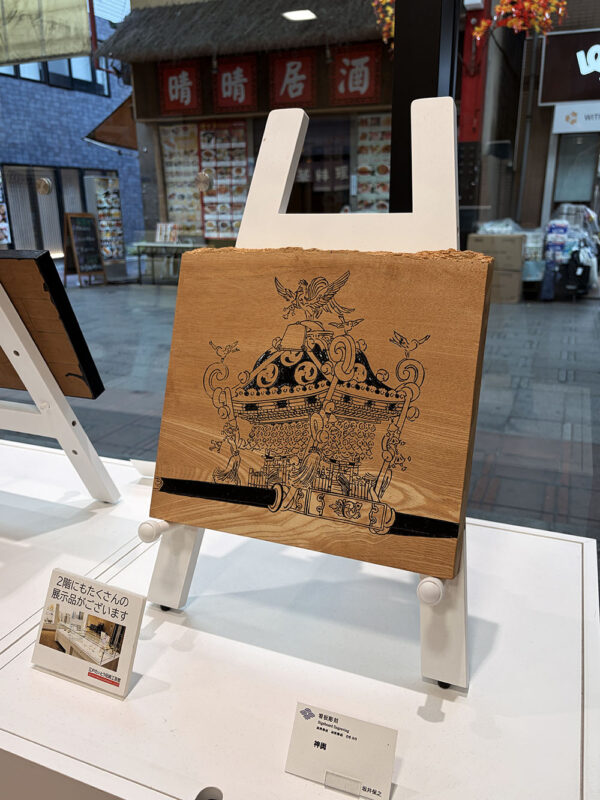
The center showcases more than 250 beautiful pieces representing approximately 50 different traditional crafts. From intricately cut glass and handcrafted wooden furniture to delicate hair ornaments and hand-painted lanterns, each piece reflects the remarkable skills and dedication of Japanese artisans.
Best of all, admission is completely free! Visitors may also have the opportunity to watch skilled artisans demonstrate their craft in person.
If you’re looking for a more meaningful cultural experience beyond Asakusa’s usual sightseeing spots, this charming museum is well worth adding to your itinerary.
目次
- 1 The Origins of the Edo Taito Traditional Crafts Center: A Neighborhood Built on Craftsmanship
- 2 From Edo’s Downtown Heritage to an International Cultural Destination
- 3 Must-See Traditional Crafts: From Edo Glassware to Beautiful Hair Ornaments
- 3.1 Edo Kiriko: Brilliant Cut Glass That Sparkles Like Jewelry
- 3.2 Edo Sashimono: The Art of Woodworking Without Nails
- 3.3 Tokyo Silverware: Beautiful Metalwork Shaped by Hand
- 3.4 Edo Tsumami Kanzashi: Delicate Flowers Made from Fabric
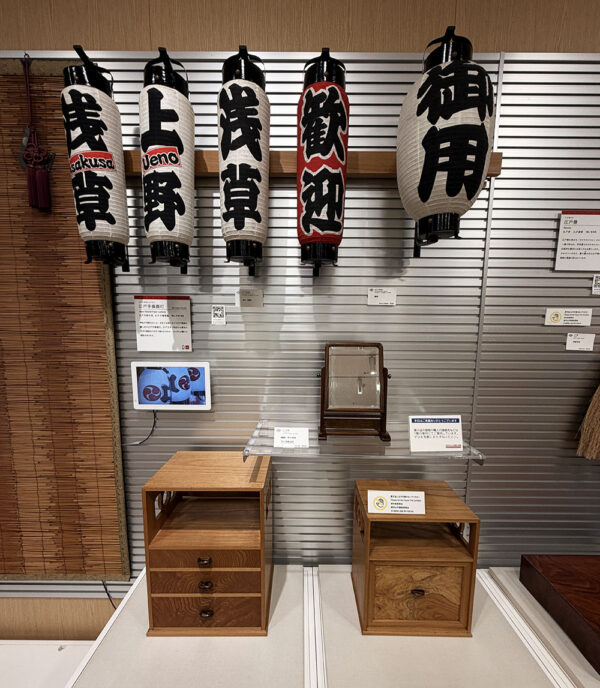
- 3.5 Edo Hand-Painted Lanterns: The Traditional Craft That Lights Up Asakusa
- 4 More Than an Exhibition: Watch Japanese Artisans at Work
- 5 Edo Taito Traditional Crafts Center: Visitor Information and Access
- 6 Recommended Itinerary: Rent a Kimono at Yae in Asakusa and Explore Edo Culture
- 7 Discover a Different Side of Asakusa
The Origins of the Edo Taito Traditional Crafts Center: A Neighborhood Built on Craftsmanship
Asakusa is one of Tokyo’s most popular sightseeing destinations today, but during the Edo period (1603–1868), it was also a thriving neighborhood filled with merchants, entertainers, and skilled artisans.
Centered around Sensoji Temple, Asakusa attracted large numbers of visitors and worshippers. Shops, teahouses, and entertainment venues gradually developed throughout the surrounding area. Nearby Ueno, home to Kaneiji Temple, also played an important role in making what is now Taito City a major center of religious and commercial activity.
As the city grew, kabuki theaters, traditional performances, and other forms of entertainment became increasingly popular, creating a high demand for handcrafted goods.
Kabuki actors needed elaborate costumes and stage props, women wore beautifully decorated hairpins and wooden combs, and merchants relied on hand-painted signs and lanterns. Everyday households also needed wooden furniture, bamboo products, and practical handmade tools.
To meet these growing needs, skilled artisans began settling in Asakusa and its surrounding neighborhoods, gradually establishing a distinctive culture of craftsmanship.
Their skills were passed down from master to apprentice through generations. Even today, despite the widespread availability of mass-produced goods, many artisans continue to preserve these traditional techniques.
The Edo Taito Traditional Crafts Center was established to introduce visitors to this rich heritage and help preserve the skills and craftsmanship that have been passed down since the Edo period.
From Edo’s Downtown Heritage to an International Cultural Destination
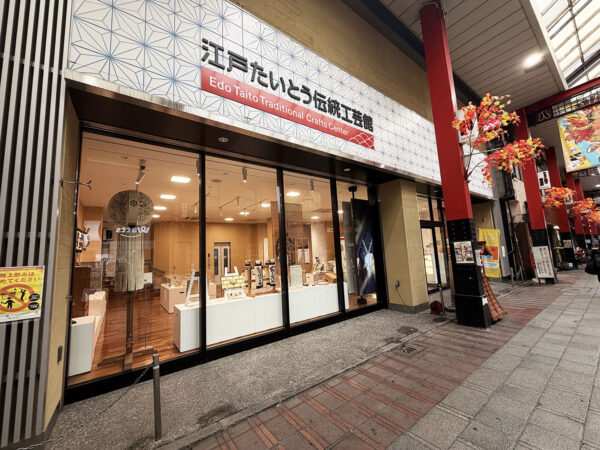
The Edo Taito Traditional Crafts Center was established by Taito City in 1997. It originally opened under the name “Edo Shitamachi Traditional Crafts Museum.”
Its purpose was to introduce the region’s rich craft traditions to the public while providing a place where artisans could showcase their skills and connect with visitors.
In March 2019, the museum reopened after extensive renovations and adopted its current name, the Edo Taito Traditional Crafts Center.
The renovation improved the exhibition spaces and made the museum more accessible to international visitors.
Exhibition information is available in five languages: Japanese, English, Traditional Chinese, Simplified Chinese, and Korean. Visitors can use their smartphones and other digital resources to learn about the techniques, history, and unique features of the displayed works.
The museum also offers spaces for artisan demonstrations and hands-on workshops, giving visitors the chance to see traditional crafts being made rather than simply admiring finished pieces behind glass.
For travelers discovering Japanese traditional crafts for the first time, this welcoming museum offers an enjoyable and accessible introduction to the world of Edo craftsmanship.
Must-See Traditional Crafts: From Edo Glassware to Beautiful Hair Ornaments
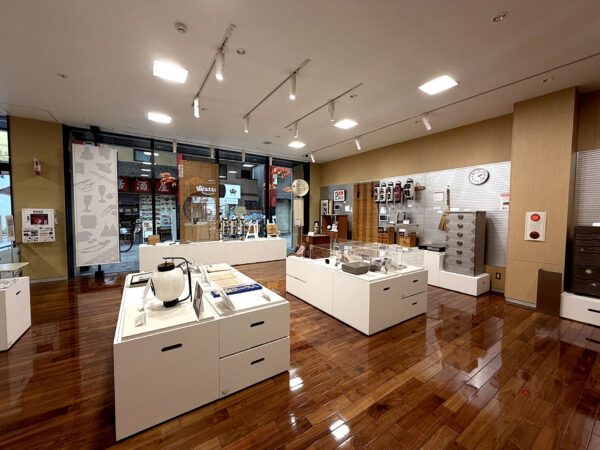
Although the Edo Taito Traditional Crafts Center is relatively small, its collection is surprisingly diverse.
The exhibitions feature a wide range of traditional crafts that reflect everyday life during the Edo period, including glasswork, woodworking, metalwork, textiles, paper crafts, and decorative items used for traditional celebrations.
Each craft has its own history, techniques, and artistic beauty, making the museum a wonderful place to slow down and appreciate the details.
Edo Kiriko: Brilliant Cut Glass That Sparkles Like Jewelry
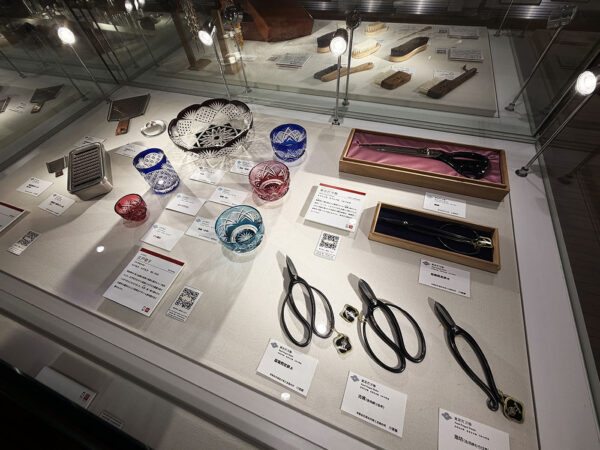
Edo Kiriko is one of Japan’s most famous traditional glass crafts.
Using specialized cutting tools, artisans carefully carve intricate geometric patterns into the surface of glass. Popular designs include chrysanthemums, hemp leaves, and traditional basket-weave patterns.
After precise cutting and polishing, the glass develops a beautiful, crystal-clear brilliance that sparkles like a gemstone when it catches the light.
Edo Kiriko pieces are not only functional drinking glasses and decorative vessels but also remarkable works of art.
Take a closer look at the delicate patterns, and you’ll begin to appreciate the extraordinary precision and patience required to create each piece.
Edo Sashimono: The Art of Woodworking Without Nails
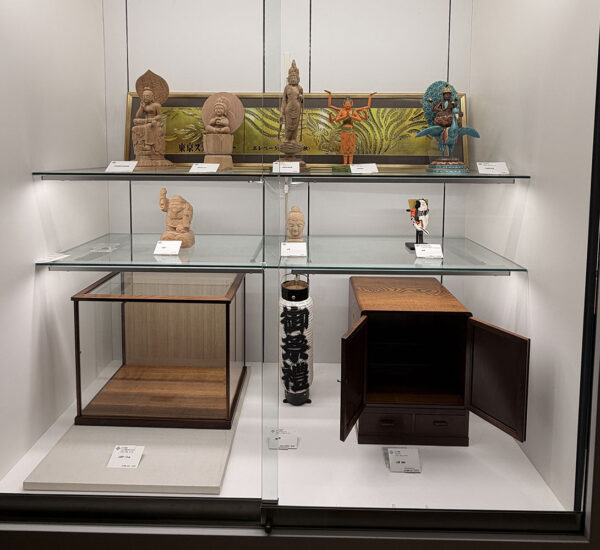
Edo Sashimono is a highly refined traditional woodworking technique known for assembling wooden furniture and objects using carefully crafted joints rather than relying on metal nails.
From drawers and tea cabinets to elegant wooden storage boxes, artisans must measure and shape each connecting piece with remarkable accuracy to ensure a perfect fit.
This craft emphasizes the natural beauty of wood grain, along with simple and elegant designs.
Although the finished pieces may appear understated, their construction often reveals an impressive level of craftsmanship.
The museum also displays traditional paulownia wood furniture, wooden combs, and handcrafted bamboo fishing rods, offering visitors a glimpse into the creativity and practical wisdom of everyday life in Edo.
Tokyo Silverware: Beautiful Metalwork Shaped by Hand
Tokyo Silverware is a traditional metalworking craft that has been passed down through generations.
Artisans use techniques such as hammering, shaping, and engraving to transform silver into elegant teapots, sake vessels, jewelry, and other everyday objects.
The process involves repeated hammering and careful adjustments to create the desired shape. Some pieces feature delicate hammered patterns that remain visible on the surface.
These patterns are more than decoration. They give each piece a distinctive handmade texture and character.
Unlike mass-produced metal products, handcrafted silverware carries the subtle marks and individuality of the artisan who created it.
Edo Tsumami Kanzashi: Delicate Flowers Made from Fabric
If you love Japanese kimono culture, don’t miss Edo Tsumami Kanzashi, a traditional style of decorative hair ornament.
These beautiful accessories are made from tiny pieces of silk fabric, which are carefully folded, pinched, and assembled into delicate flower shapes.
Cherry blossoms, chrysanthemums, and plum blossoms are among the most popular designs, reflecting the beauty of Japan’s changing seasons.
Tsumami Kanzashi are often worn during traditional weddings, Coming of Age ceremonies, and Japanese dance performances. They look especially elegant when paired with a kimono.
If you’re visiting the museum while wearing a kimono, take a moment to compare the beautiful ornaments on display with your own hairstyle and accessories!
Edo Hand-Painted Lanterns: The Traditional Craft That Lights Up Asakusa
As you explore Asakusa, you’ll notice traditional Japanese lanterns decorating temples, shops, and streets.
Behind these familiar sights lies a traditional craft that has been preserved for generations.
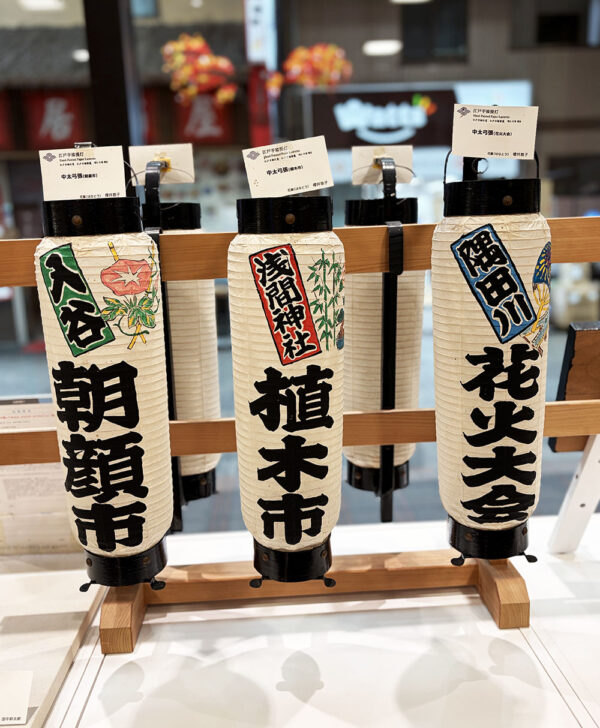
Edo hand-painted lanterns are made using materials such as bamboo frames and traditional Japanese washi paper. Skilled artisans then paint the lettering and decorative designs by hand.
Every detail matters, from the thickness of the brushstrokes and the balance of the characters to the overall shape of the lantern.
The next time you pass Kaminarimon Gate or a traditional shop in Asakusa, take a closer look at the lanterns and signs around you. You may notice beautiful craftsmanship that you had never paid attention to before.
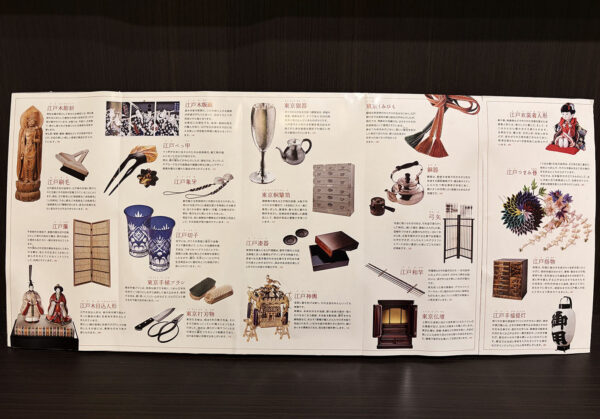
In addition to these crafts, the museum also features Edo woodblock prints, decorative hagoita paddles, traditional brushes, braided cords, dyed textiles, and many other handmade objects.
Together, these works bring the everyday culture of old Edo to life and remind us of the lasting beauty of traditional craftsmanship.
More Than an Exhibition: Watch Japanese Artisans at Work
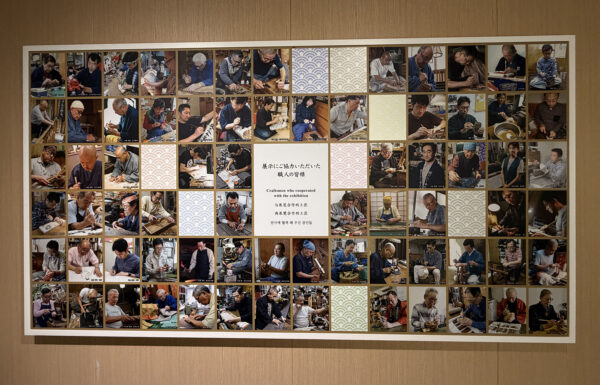
One of the most enjoyable aspects of visiting the Edo Taito Traditional Crafts Center is the opportunity to watch skilled artisans demonstrate their techniques.
The museum regularly hosts live craft demonstrations, allowing visitors to observe the creative process up close.
Watching an experienced artisan carefully transform ordinary materials into a beautiful handmade object can be far more memorable than simply reading about the process.
Depending on the event, visitors may also have the chance to speak with artisans, ask questions, and learn how much time and effort goes into creating a single piece.
The center also organizes special exhibitions, hands-on workshops, and other cultural events throughout the year.
These activities offer different ways to explore Japanese craftsmanship, making the museum enjoyable for both first-time visitors and those with a deeper interest in traditional arts.
If there is a particular craft you would love to see, we recommend checking the official website before your visit to find out whether any demonstrations or workshops are scheduled.
Edo Taito Traditional Crafts Center: Visitor Information and Access
Museum: Edo Taito Traditional Crafts Center (江戸たいとう伝統工芸館)
Address: 2-22-13 Asakusa, Taito-ku, Tokyo
Opening Hours: 10:00 AM – 6:00 PM
Admission: Free
Closed: 2nd and 4th Tuesdays of each month. If a closure day falls on a national holiday, the museum closes the following day instead.
Telephone: 03-3842-1990
Access:
- Approximately 5 minutes on foot from Asakusa Station on the Tsukuba Express Line.
- Approximately 15 minutes on foot from Asakusa Station on the Tokyo Metro Ginza Line, Toei Asakusa Line, or Tobu Railway.
Recommended Visit Duration: 30–60 minutes
The museum is located along Hisago-dori Shopping Street, close to Asakusa Hanayashiki Amusement Park and Sensoji Temple.
Its convenient location makes it easy to combine with other popular attractions during a day of sightseeing in Asakusa.
Please note that exhibitions, events, and opening schedules may change. We recommend checking the official website for the latest information before your visit.
Recommended Itinerary: Rent a Kimono at Yae in Asakusa and Explore Edo Culture
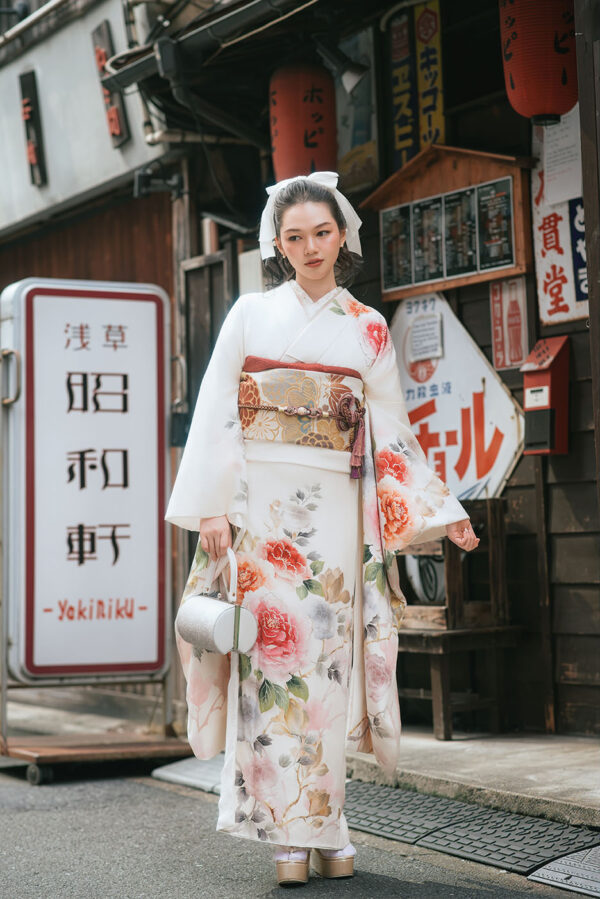
If you’re visiting Asakusa, why not make your experience even more memorable by exploring the neighborhood in a beautiful traditional Japanese kimono?
Before heading to the museum, we recommend stopping by Kimono Rental Yae, Asakusa to choose your favorite kimono and enjoy professional dressing and hairstyling services.
Once you’re ready, set off for the Edo Taito Traditional Crafts Center and begin your cultural adventure!
Visiting the museum in a kimono creates a special connection between the traditional crafts on display and the clothing you’re wearing.
As you admire the intricate textile techniques, take a closer look at the patterns on your own kimono. When you discover beautiful Edo Tsumami Kanzashi hair ornaments, you may find yourself thinking about the accessories used in your hairstyle that day.
Suddenly, the crafts displayed behind glass feel much more connected to your own experience, bringing the history and culture of Edo to life.
After exploring the museum, enjoy a leisurely stroll along Hisago-dori Shopping Street before continuing to nearby attractions such as Asakusa Hanayashiki, Sensoji Temple, and Nakamise Shopping Street.
The traditional streets, charming storefronts, and Japanese-style architecture around the museum also provide lovely backdrops for kimono photos.
We recommend visiting the museum in the morning or around midday and allowing approximately one hour to explore at a relaxed pace.
There’s no need to rush. Part of the charm of Asakusa is taking your time to discover its beautiful streets and hidden cultural treasures.
Walking through Asakusa in a kimono is about more than taking memorable photos. It’s also a wonderful way to connect with the history, architecture, and traditional craftsmanship that make this neighborhood so special.
Discover a Different Side of Asakusa
There is much more to Asakusa than its famous temples and lively shopping streets.
Behind the bustling atmosphere lies a rich tradition of craftsmanship that generations of Japanese artisans have carefully preserved.
Although the Edo Taito Traditional Crafts Center is small, its beautiful collection offers a fascinating glimpse into everyday life during the Edo period and the remarkable attention to detail that defines Japanese craftsmanship.
The next time you visit Asakusa, consider adding this free museum to your itinerary for a deeper and more meaningful cultural experience.
And while you’re here, why not visit Kimono Rental Yae Asakusa, choose a beautiful kimono, and enjoy a relaxing stroll through Asakusa’s historic streets?
Make your visit to Asakusa more than just a sightseeing trip. Create wonderful memories, capture beautiful photos, and experience the timeless charm of Japanese culture.